October 10, 2026



A sweater is a small commitment. You will wear it dozens of times, drape it over a chair, stuff it into a weekend bag, and wash it more often than you should. The fiber it is knitted from decides whether that relationship stays easy or turns into a chore. Merino, cashmere and alpaca are the three names you will see most often on good knitwear labels, and they behave very differently.
Labels add words like baby alpaca or royal alpaca. Those describe fiber diameter grades, not the age of the animal. Finer grade means softer, lighter and more expensive.
All three fibers keep you warm by trapping air. The difference is how much fabric you need to do it.
Merino is the versatile middle. Its crimp gives it loft, so a mid-weight merino sweater breathes on a warm train and still works on a cold platform. It also moves moisture away from your skin, which is why it feels comfortable when you are slightly overheated.
Cashmere is warmer than its thinness suggests. A two-ply cashmere crewneck can weigh less than a cotton shirt and still feel substantial, though a very fine gauge can be drafty in wind. Alpaca is the warmest for its weight of the three, partly because the fibers are partly hollow. That makes it excellent for dry cold, but it can feel like too much indoors.
Gauge and knit density matter as much as fiber. A chunky loose knit in expensive cashmere will be less warm than a tight merino crewneck. And none of these fibers block wind on their own: a sweater under a proper shell beats a heavier sweater worn alone.
Cashmere wins the first touch test, almost every time. Its fibers are fine and the scales along them are smooth, so it glides rather than catches. Good cashmere feels almost weightless against the neck.
Merino ranges from pleasantly soft to slightly crisp depending on grade and how the yarn is spun. Fine merino in a smooth knit is comfortable for most people. Coarser grades, or loosely spun yarns with lots of fiber ends sticking out, are where the classic wool itch comes from. A true wool allergy is uncommon; the prickle is usually mechanical.
Alpaca feels dry and silky rather than creamy. It has no lanolin, which suits sensitive skin, and it drapes beautifully. Some people find it slightly cool to the touch at first, then surprisingly warm once it settles.
Merino is inexpensive because sheep produce kilos of fleece a year and the supply chain is mature. Alpaca sits in the middle. Cashmere is the outlier, and the price gap is mostly about scarcity and the hand-combing, not marketing.
This is why blends exist. A sweater labeled "cashmere blend" might contain five or ten percent cashmere and a lot of merino or synthetic fiber. You will feel a hint of the softness, but you are not buying a cashmere sweater. Read the fiber percentages, not the front of the tag.
Pills are little tangles of loose fiber ends that rub together and roll up. Nothing about them means a sweater is cheap, though cheap sweaters often pill faster. The main causes:
Cashmere pills most readily, which is normal and manageable. Merino pills in patches and often the pills fall away on their own. Alpaca pills less, but it can shed loose fiber and grow a soft halo instead. A sweater comb or fabric shaver used gently will restore most knitwear, and it will not damage the fabric if you work slowly.
Two exceptions worth knowing. Superwash merino is treated to survive a gentle machine wash, but it can grow and sag over time, so dry it flat anyway. Alpaca loses strength when soaked and can stretch out of shape, so support the whole sweater while wet and never hang it to dry.
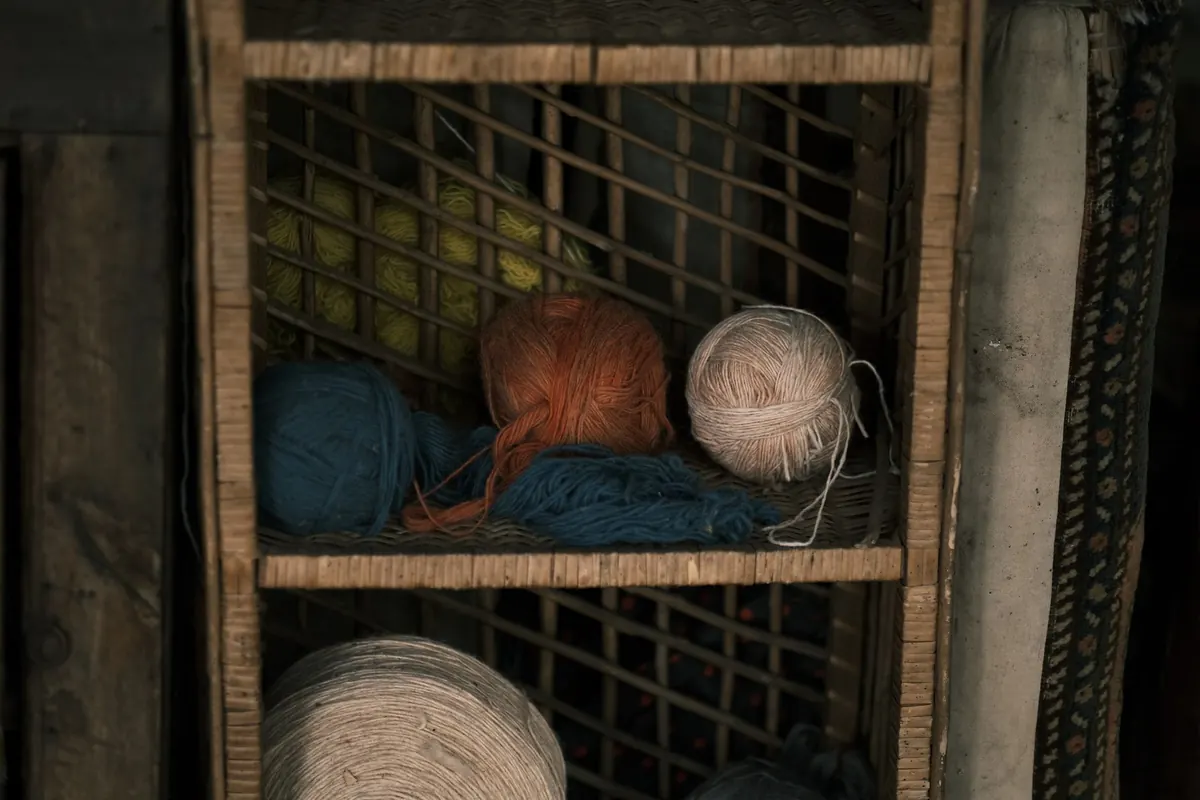
A little wool added to alpaca gives back the memory the fiber lacks, so cuffs and necklines stop sagging. Silk blended into alpaca or cashmere adds shine and drape for dressier pieces. A small amount of nylon transforms merino into sock yarn that survives years of abrasion. Blends are not a compromise; they are how knitters and mills solve a fiber's weak spot.
If you want one sweater to wear three times a week, buy merino. It takes real life well, washes predictably, and handles both a cold office and a cold walk.
If you want something light, elegant and genuinely warm for dinners and travel, consider cashmere, and accept that it needs a gentler routine. If you feel the cold deeply, love drape, and live somewhere dry, alpaca will feel like a discovery.
Whichever you pick, do three things in the shop. Check the fiber percentages on the label. Hold the sweater up to the light to see how tightly it is knitted. And touch the collar against your neck, because that is where an itch shows up first. Fibers are not status symbols. They are tools, and the right one is simply the one that fits how you dress.
Photo: Sami Aksu / Pexels

Your guide to finding the perfect knitwear.
Copyright © 2026 Jumper Compass. All rights reserved. Jumper Compass.